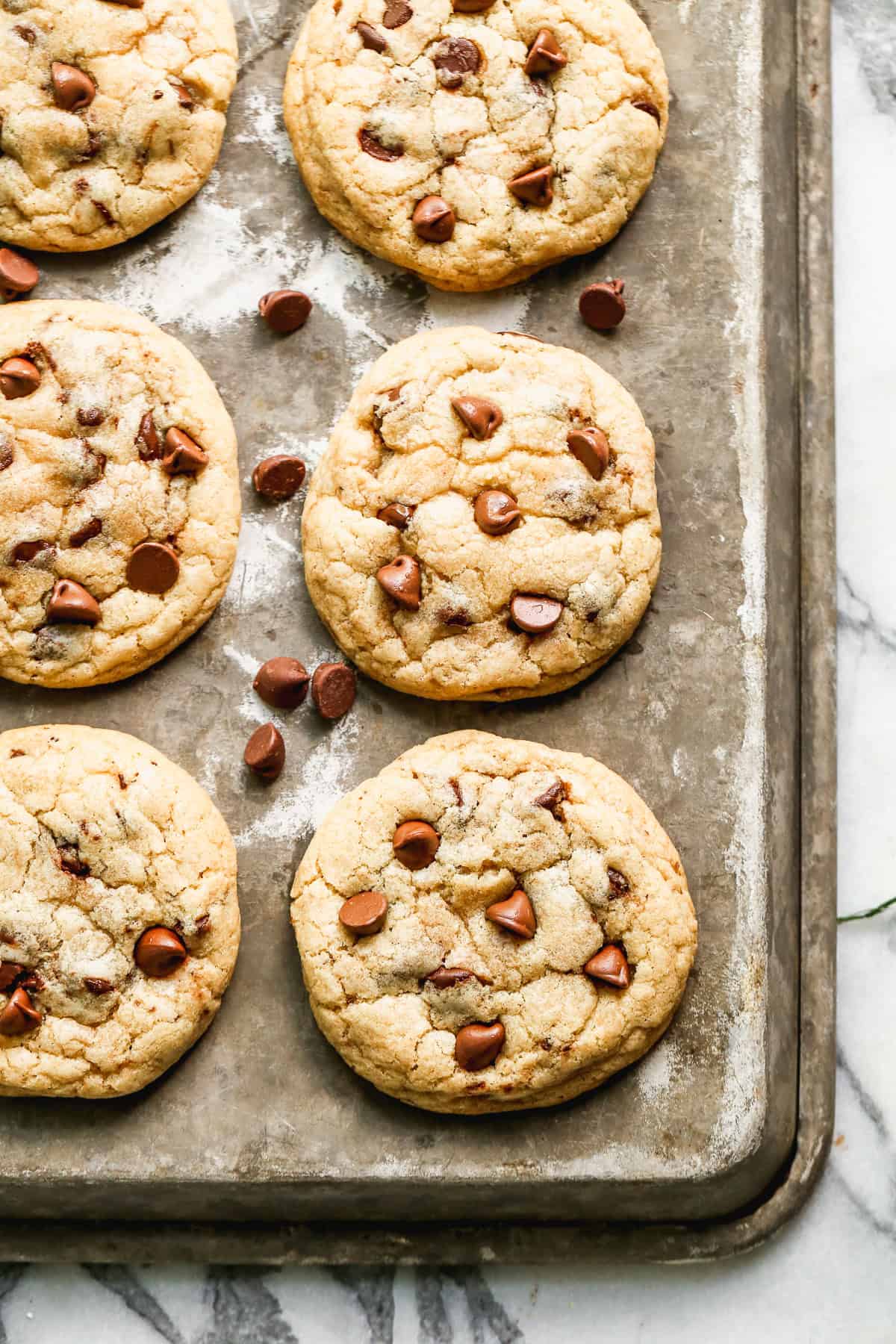
There are few culinary delights as universally loved and deeply comforting as a perfectly baked batch of chocolate chip cookies. The mere thought conjures images of crisp, golden edges yielding to a soft, chewy center, punctuated by pockets of warm, melty chocolate. It’s a simple pleasure, yet achieving that ideal balance of texture and flavor can feel like a quest for the holy grail of baking. Whether you’re a seasoned baker or just starting your journey, mastering these iconic treats is a rewarding endeavor. This comprehensive guide will equip you with expert baking tips and essential dough secrets to ensure your next batch of homemade chocolate chip cookies isn't just good, but truly unforgettable.
The Foundation: Essential Ingredients for Unforgettable Chocolate Chip Cookies
The magic of the best chocolate chip cookies begins with a careful selection and understanding of its core ingredients. Think of them as the building blocks, each playing a critical role in the final masterpiece. While the list might seem straightforward, the nuances of how each element contributes are key to unlocking superior flavor and texture.
- Butter: The Heart of the Cookie
Our journey starts with two sticks of butter, ideally unsalted, allowing you to control the overall sodium content. Creamed vigorously with both white and brown sugars, butter doesn't just add richness; it introduces air into the mixture, contributing to the cookie's lift and tenderness. The blend of sugars is crucial: granulated sugar promotes crispness and spread, while brown sugar (with its molasses content) adds moisture, chewiness, and a deeper, caramelized flavor. Ensure your butter is at room temperature for optimal creaming. - Eggs: Binders and Moisturizers
Eggs are the essential binding agents, holding the dough together and providing crucial moisture. They also contribute to the cookie's structure and richness. For best results, use large eggs, also at room temperature, as they emulsify more evenly with the other ingredients, leading to a smoother, more consistent dough. - Vanilla Extract: The Flavor Enhancer
Don't underestimate the power of a good vanilla extract. It's not just a background note; it brightens and deepens the overall flavor profile of your chocolate chip cookies, elevating them from good to exceptional. Opt for pure vanilla extract over imitation for a truly superior taste. - Baking Soda: The Leavening Secret
This humble ingredient is a powerhouse leavener. Baking soda reacts with acidic ingredients (like brown sugar and sometimes cocoa powder, if used) to produce carbon dioxide gas, causing the cookies to rise and spread. It contributes to that desirable puffed-up texture and golden-brown hue. - Hot Water: A Surprising Addition
A small amount of hot water might seem unusual, but it's a clever trick! When combined with baking soda, it helps create steam during baking. This steam works in conjunction with the leavener to puff up the cookies, contributing to a lighter, airier texture, especially in the center. - Salt: The Flavor Balancer
A pinch of salt is vital, not to make your cookies taste salty, but to enhance and balance the sweetness of the sugars and the richness of the chocolate. It brings out the best in all the other flavors, preventing the cookies from tasting one-dimensionally sweet. - All-Purpose Flour: The Structure Builder
All-purpose flour forms the structural backbone of your cookies. It contains gluten-forming proteins that, when hydrated and mixed, give the dough its elasticity and structure. Be careful not to overmix once the flour is added, as this can overdevelop gluten, leading to tough cookies. - Chocolate Chips: The Star Attraction
No chocolate chip cookies are complete without their namesake! While semisweet chocolate chips are classic, feel free to experiment with dark, milk, or even a mix of different chocolates for varying flavor complexities. For an even more luxurious experience, consider chopping a high-quality chocolate bar; the uneven pieces will create incredible puddles of molten chocolate throughout the cookie. - Nuts (Optional): A Welcome Crunch
For those who appreciate extra texture and a nutty depth, walnuts are a fantastic addition. They provide a delightful crunch and a complementary earthy flavor that pairs wonderfully with the sweet chocolate.
Understanding these ingredients is the first step to truly mastering your baking. For more in-depth knowledge on optimizing your ingredient choices, check out our guide: Unlock the Best Chocolate Chip Cookies: Ingredients, Baking & Storage Guide.
Mastering the Method: Expert Techniques for Perfect Dough
Beyond just measuring ingredients, the way you combine them profoundly impacts the final cookie. These techniques are what transform simple components into an extraordinary treat.
The Art of Creaming Butter and Sugar
According to culinary experts, the creaming process is arguably the single most important step in making perfect chocolate chip cookies. It's where butter and sugar are beaten together until light and fluffy. This isn't just about combining; it's about aeration. As the sugar crystals cut through the butter, tiny air pockets are created. These air pockets expand during baking, contributing to the cookie's rise and tender texture. This process takes longer than you might expect—Nicole McLaughlin, a culinary producer, recommends beating for about four minutes. Look for a pale, fluffy, almost whipped consistency before moving on.
Don't Overmix Once Flour is Added
Once you've incorporated the dry ingredients, mix just until no streaks of flour remain. Overmixing develops the gluten in the flour too much, resulting in dense, tough cookies rather than the desired soft and chewy texture.
The Essential Step: Chilling Your Dough
This is a game-changer for many bakers. Chilling the cookie dough before baking is crucial if you crave cookies that are gloriously gooey in the middle and resist excessive spreading. Here's why it works:
- Solidifies Butter: Cold butter melts slower in the oven, meaning the cookies spread less, staying thicker.
- Hydrates Flour: Chilling allows the flour to fully absorb the liquid, resulting in a more complex flavor and better texture.
- Concentrates Flavors: The flavors meld and deepen in the refrigerator, leading to a richer-tasting cookie.
While some recipes suggest just 30 minutes, an hour or even overnight chilling can yield remarkable results. For the ultimate texture, don't skip this step!
Scooping and Shaping for Uniformity
Using a cookie scoop ensures that all your cookies are roughly the same size. This promotes even baking, meaning fewer burnt edges or undercooked centers. If you don't have a scoop, aim for consistent portions by hand-rolling.
The Bake & Beyond: Achieving Golden Perfection
The oven is where the magic truly happens, transforming raw dough into golden, fragrant cookies. Knowing how long to bake and what to look for is critical for that coveted crisp-chewy balance.
Optimal Oven Temperature and Time
Preheat your oven to 350 degrees F (175 degrees C). At this temperature, chocolate chip cookies typically bake to perfection in about 10 minutes. The key is to look for visual cues: the edges should be golden brown, and the centers should appear mostly set but still slightly soft. Remember, cookies continue to "set" and firm up as they cool, so pulling them out when they look *just* shy of fully baked often yields the best chewy results.
Considering Convection Baking
For those with a convection oven, you have an extra tool in your arsenal! As shared by "The Pioneer Woman," convection bake settings can yield a fantastic crisp texture and allow for baking multiple pans at once due to the even heat distribution. If you're using convection, you might need to slightly reduce the temperature (often by 25 degrees F) or shorten the baking time, so keep a close eye on your first batch.
The Crucial Resting Period
Once you pull those beautiful cookies from the oven, resist the urge to immediately transfer them to a cooling rack. Letting them rest on the hot baking sheet for a few minutes is a vital step. This allows the cookies to finish cooking gently from the residual heat of the pan, firming up their structure. This prevents tearing and ensures each cookie maintains its perfect shape when you finally move it. After a 5-10 minute rest, transfer them to a wire rack to cool completely.
For more detailed insights into achieving that perfect balance of crisp edges and chewy centers, explore our guide: The Best Chocolate Chip Cookie Recipe: Crisp Edges & Chewy Centers.
Storing and Freezing: Enjoying Your Creations Longer
You've put in the effort to bake the perfect chocolate chip cookies, so let's ensure they stay delicious for as long as possible.
Room Temperature Storage
Once your cookies have completely cooled, store them in an airtight container at room temperature. This will keep them fresh and delicious for up to a week. To go the extra mile and maintain that desirable softness, here's a brilliant hack: throw a piece of white bread into the container with your cookies. The bread will absorb any dry air, effectively keeping your cookies soft and moist for an extended period. Just replace the bread every couple of days as it dries out.
Freezing Baked Cookies
Yes, you can absolutely freeze baked chocolate chip cookies! This is fantastic for meal prep or ensuring you always have a quick treat on hand. Once fully cooled, place the cookies in a single layer on a baking sheet and freeze for about an hour until solid. Then, transfer them to a freezer-safe bag or airtight container, separating layers with parchment paper to prevent sticking. They will keep well for up to 2-3 months. Thaw at room temperature or gently warm them in the microwave for a "fresh out of the oven" experience.
Freezing Cookie Dough for Freshly Baked Treats
For the ultimate convenience, freeze portions of unbaked cookie dough! Scoop the dough into individual balls and arrange them on a parchment-lined baking sheet. Freeze until solid, then transfer the frozen dough balls to a freezer-safe bag. When a craving strikes, simply place the frozen dough balls on a baking sheet and bake as directed, adding a few extra minutes to the baking time.
Conclusion: Your Journey to Perfect Chocolate Chip Cookies
Baking the perfect batch of chocolate chip cookies is a delightful journey that combines science, technique, and a dash of love. By understanding the role of each ingredient, mastering the creaming process, embracing the essential step of dough chilling, and paying close attention during baking, you can consistently achieve those coveted crisp edges, chewy middles, and melty chocolate pockets. These expert tips and dough secrets aren't just for one-off success; they're the foundation for making every batch your best batch yet. So preheat your oven, gather your ingredients, and prepare to fill your home with the irresistible aroma of homemade perfection.
